A Long Stretch of Hard Years — And the Slow Work of Rebuilding Myself
The past few years have been shaped by loss. Several relatives passed away during this time. Human death is always heavy. It interrupts families, alters relationships, and leaves behind a sense of finality that’s difficult to process. Even when relationships are complicated, loss still asks something of you emotionally.
But grief doesn’t arrive in a single form.
What truly shattered my inner world came from a different direction. Within three months, I lost three of my cats. They were sixteen, eighteen, and fourteen years old — animals I had shared a large part of my life with. They weren’t just animals in my home; they were daily companions, silent witnesses to my life, and my first real experience of unconditional love.
Living with animals creates a quiet, constant bond. They shape your days without asking anything of you beyond presence and care. When they’re gone, the absence is everywhere — in the empty corners, the disrupted routines, the moments your body still expects them to be there.
Pet loss carries a particular kind of grief. It’s intense, intimate, and ongoing, yet often underestimated. Society knows how to respond to human loss. There are words, rituals, shared expectations. When an animal dies, especially multiple animals, the grief is often minimized or misunderstood. People expect you to return to normal quickly, as if nothing fundamental has shifted.
That was my experience. I mourned quietly, inwardly, carrying a grief that didn’t receive much external recognition. More recently, another one of my cats had a seizure, reopening that vulnerability and reminding me how fragile the ground still felt.
At the same time, the outside world was becoming increasingly unstable. The global economy slowed, and changes in U.S. import tariffs didn’t just shake my business, they gutted it. The work I had spent years building became unstable almost overnight, and I had to rebuild nearly everything from the ground up. It’s hard enough to carry personal grief. But at the same time, the foundation of my work and stability was also shaking, and the combination felt overwhelming.
Layered onto all of this was the constant stream of global suffering: wars, climate anxiety, people and animals hurting in ways that felt impossible to absorb day after day. Gradually, my mental health began to deteriorate. Sleep became unreliable. Motivation thinned. Even simple routines felt heavy, as if everything required negotiation.
Eventually, I realized I couldn’t wait for things to improve on their own. Nothing external was slowing down. So I began focusing on small, deliberate actions — not to fix everything, but to keep myself steady.
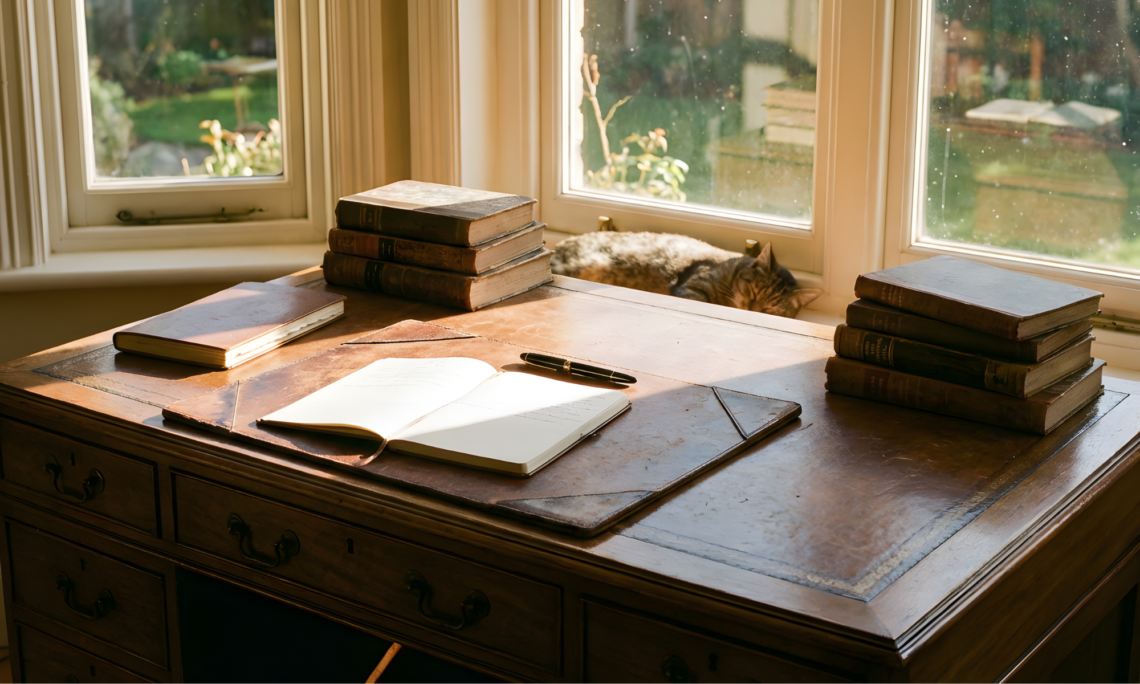
Journaling was one of the first things that helped. I didn’t approach it as productivity or self-improvement. It was simply a way to empty my head and give shape to days that felt blurred. Over time, I became particular about the paper, pens, and formats I used, because the physical experience mattered more than I expected. The journaling tools I use daily quietly supported this habit when I needed structure and clarity the most.
I returned to meditation, imperfectly. My mind still wanders, and sometimes I don’t manage more than a few minutes. But those moments remind me that there is still a quieter place I can return to.
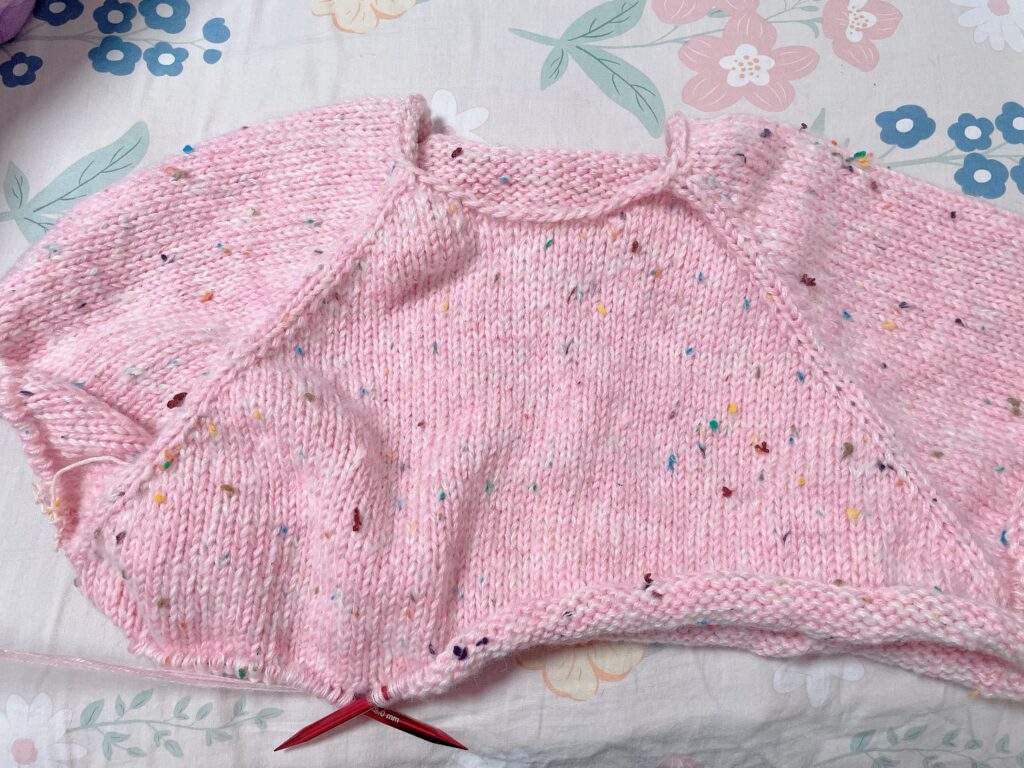
I learned to crochet and knit. I’m still a beginner, with uneven stitches and mistakes I don’t bother undoing. The repetition is calming. It’s another form of meditation, one that slows time down and produces something tangible.
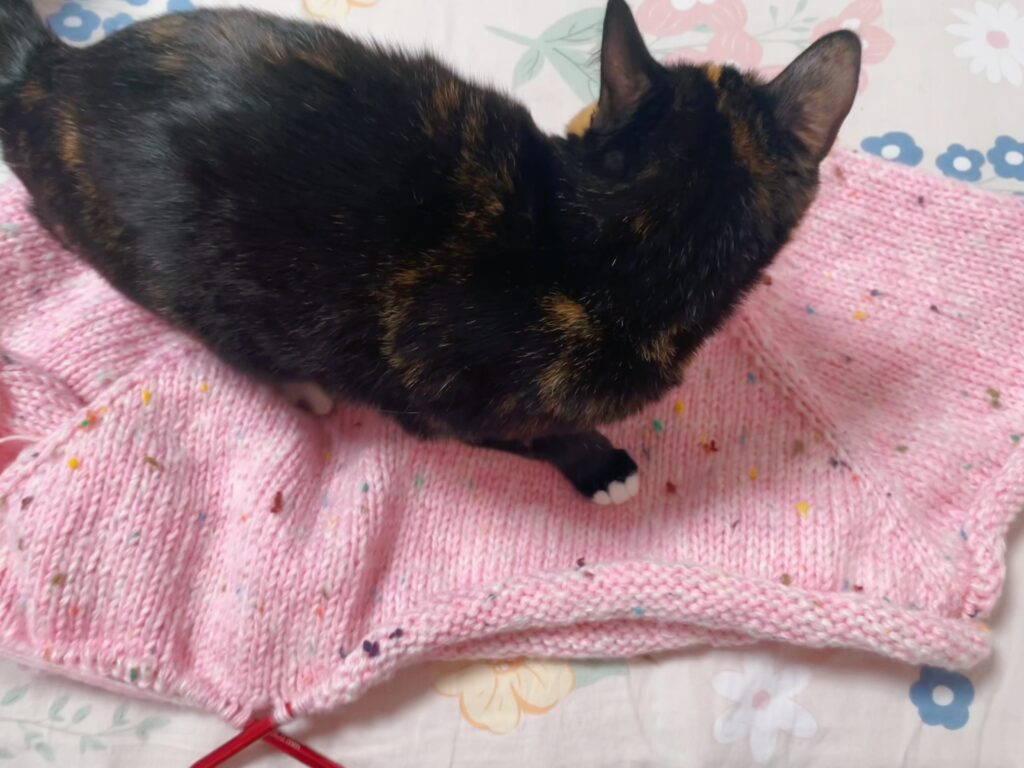
A gentle reminder that some companions stay with you through everything, big or small.
I started exercising again after a long break. The routines are simple and beginner-level, but they help my body feel less stagnant and my mind a little clearer.
I also began taking better care of my dogs and cats. I cook for them, monitor their health, and make sure they’re active and safe. Caring for them gives my days structure and meaning. Their needs are immediate and honest, and showing up for them anchors me.
At the same time, I started cooking for myself. Fresh, simple meals helped me eat more mindfully and break the cycle I had been stuck in. Feeling better physically made it easier to keep going mentally.
All of this eventually reshaped how I think about my work. I’m not chasing wealth or status. What I want is stability — enough to care for my animals, all once strays, and eventually help more homeless animals. Rebuilding my career isn’t about ambition; it’s about responsibility, love, and continuity.
Looking back, none of this was dramatic or sudden. It was slow, uneven, and often quiet. Progress looked like writing a few sentences on days I felt numb, cooking one proper meal, moving my body for ten minutes, checking on my animals even when I felt emotionally drained.
These days, I think a good life isn’t defined by milestones or external approval. It’s defined by intention. By paying attention to the beings we love. By honoring grief that doesn’t always receive permission. By noticing small, ordinary moments — warm fur under your hand, a neat row of stitches, a page filled with handwriting, a quiet kitchen after cooking.
Even when the world feels heavy, I find glimpses of wonder woven into these everyday moments. Those small things don’t erase the pain, but they make life livable again. Slowly, they help you find your way back.
